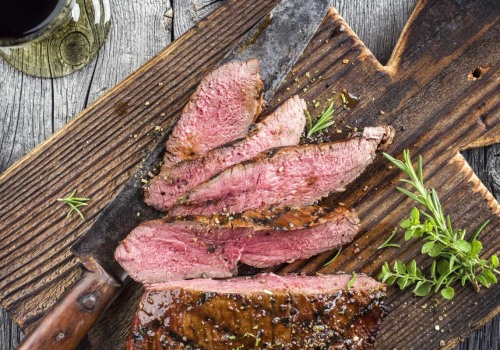
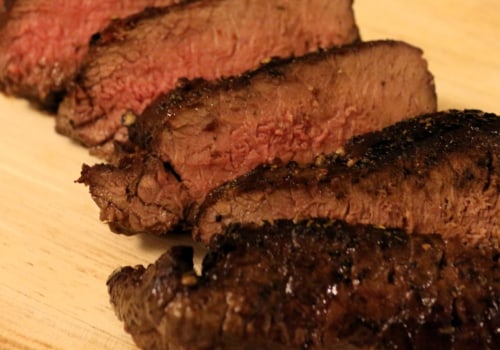
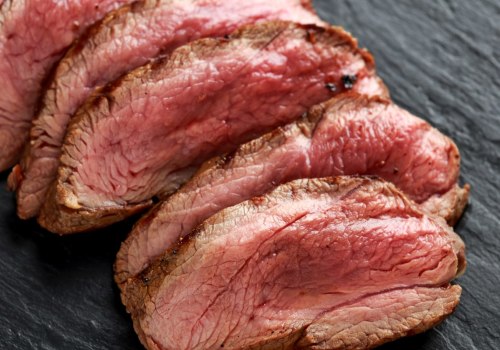
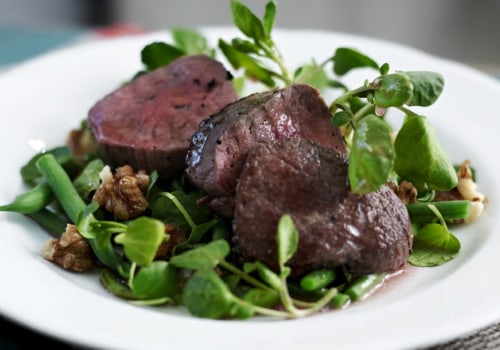
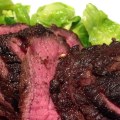
Wild game cuisine has long been associated with culinary traditions that reflect regional history, seasonal hunting practices, and local food cultures. Dishes featuring venison, wild boar, pheasant, rabbit, and other game meats have been passed down through generations in many parts of the world. However, modern diners often seek experiences that combine authenticity with creativity, presenting chefs with the challenge of preserving traditional flavors while introducing innovative techniques and presentations. Successfully balancing these two objectives requires a thoughtful approach that respects culinary heritage while adapting to contemporary dining expectations. This balance has become an important aspect of how restaurants create memorable wild game dishes that appeal to both traditionalists and adventurous food enthusiasts.
Understanding the Foundations of Traditional Wild Game Cuisine
Before introducing innovation, chefs often begin by studying the traditions that define wild game cooking. Historical recipes provide valuable insight into flavor pairings, preparation methods, and cultural significance. Many traditional wild game dishes rely on ingredients such as root vegetables, mushrooms, berries, herbs, and rich sauces that complement the distinctive flavors of game meats.
These classic combinations evolved over time for practical as well as culinary reasons. Seasonal availability, preservation techniques, and local agricultural practices all influenced how game was prepared and served. By understanding these foundations, chefs gain a deeper appreciation for the ingredients and methods that have shaped wild game cuisine throughout history. This knowledge allows them to innovate without losing the essence of the original dish.
Modern Techniques Enhance Traditional Ingredients
Innovation often begins with preparation techniques rather than drastic changes to ingredients. Contemporary chefs frequently use modern culinary methods such as sous vide cooking, controlled aging, smoking techniques, and advanced temperature management to enhance tenderness and consistency while preserving traditional flavors.
These methods can help address some of the challenges associated with game meats, which are often leaner and more intensely flavored than conventionally raised proteins. By combining traditional ingredients with modern cooking techniques, chefs can create dishes that maintain authenticity while offering improved texture, presentation, and overall dining experiences. This approach allows restaurants to appeal to a broader audience without compromising the integrity of the cuisine.
Reimagining Presentation for Contemporary Diners
Another area where innovation plays a significant role is presentation. While traditional wild game dishes were often served in rustic styles, modern restaurants frequently reinterpret these meals using contemporary plating techniques. Elegant arrangements, refined garnishes, and artistic presentation help elevate familiar ingredients into sophisticated dining experiences.
Today's diners often value visual appeal alongside flavor, making presentation an important part of menu development. Chefs may deconstruct classic recipes, introduce unexpected textures, or incorporate seasonal ingredients to create dishes that feel both familiar and new. These creative interpretations help attract diners who may be curious about wild game cuisine but are seeking a more modern restaurant experience.
Meeting Evolving Consumer Preferences
As dining preferences continue to evolve, chefs must also consider changing consumer expectations. Many guests are increasingly interested in sustainability, local sourcing, and responsible food production. Wild game dishes often align naturally with these interests when sourced ethically and prepared thoughtfully.
Restaurants may choose to highlight the origin of their ingredients, seasonal availability, and regional significance to provide greater context for diners. Establishments such as Blue Monkey in Zurich and similar hospitality venues demonstrate how restaurants can embrace culinary traditions while adapting to modern dining trends that emphasize quality, authenticity, and innovation. By doing so, chefs create meaningful connections between food, culture, and customer expectations.
Finding Harmony Between Past and Present
The most successful wild game dishes often emerge from a careful balance of tradition and innovation. Rather than replacing classic recipes, chefs build upon them by incorporating contemporary techniques, creative presentations, and evolving culinary insights. This approach allows restaurants to preserve valuable culinary heritage while keeping menus fresh and exciting.
As interest in unique dining experiences continues to grow, wild game cuisine provides an excellent example of how chefs can honor the past while embracing the future. Through thoughtful adaptation and respect for tradition, they create dishes that celebrate history, showcase creativity, and offer memorable experiences for modern diners.